
Neuropathy and Acupuncture: Supporting Nerve Healing with an Integrative Approach
At East West Integrative Medicine Clinic, we frequently see patients who describe a similar set of symptoms: tingling in the toes, numbness in the feet, burning sensations, or a persistent “pins and needles” feeling in the hands or legs. Sometimes these sensations appear gradually; other times they develop after illness, medication use, or periods of physical stress.
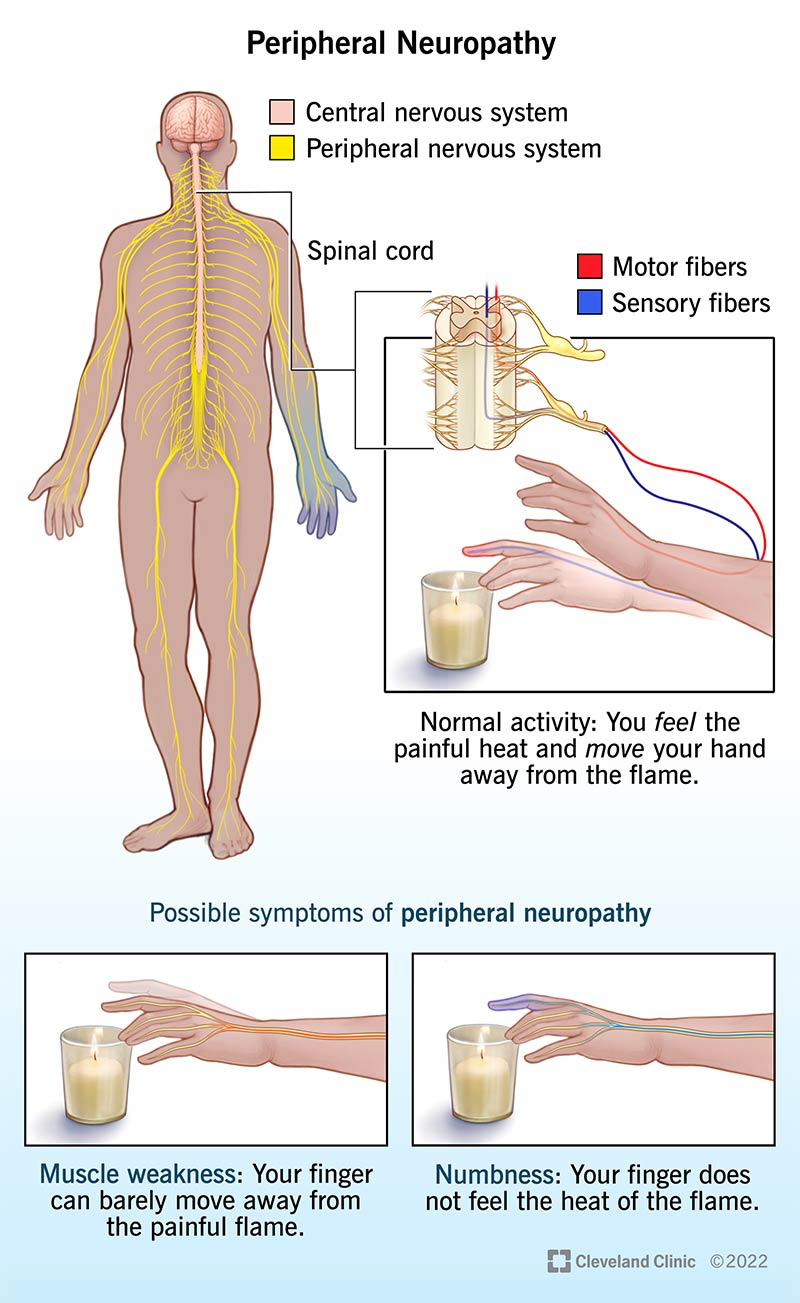
These symptoms are commonly associated with peripheral neuropathy, a condition that occurs when the nerves outside the brain and spinal cord become irritated or damaged. Because these nerves carry information related to sensation, movement, and temperature, even small disruptions can lead to uncomfortable symptoms.
While neuropathy can feel frustrating or discouraging, many people experience meaningful improvement when treatment focuses on improving circulation, calming inflammation, and supporting the body’s natural capacity to repair nerve tissue.
What Can Contribute to Neuropathy?
Peripheral neuropathy is not a single disease but rather a pattern of nerve dysfunction that can have many different causes. Some of the most common contributors include:
Blood sugar dysregulation or diabetes
Vitamin deficiencies, particularly vitamin B12
Chemotherapy or certain medications
Chronic inflammation
Nerve compression or repetitive strain
Part of the work in treating neuropathy involves looking at the broader picture—understanding what may be contributing to the nerve irritation and how we can support the body in restoring balance.

From the perspective of Chinese medicine, symptoms such as numbness, tingling, and burning pain are often associated with disruptions in the circulation of Qi and Blood through the channels that nourish the nerves and muscles. When circulation becomes restricted, the tissues may not receive the nourishment they need, which can contribute to the sensations commonly experienced with neuropathy.

How Acupuncture May Help
Acupuncture has been used for centuries to treat pain, numbness, and weakness in the body. Modern research has begun to explore some of the physiological mechanisms that may explain these effects.
Studies suggest that acupuncture may help stimulate blood flow, influence the nervous system, and encourage the release of endogenous opioids and other neurochemicals involved in pain regulation.¹ These responses may help explain why some patients experience reductions in nerve pain or improvements in sensation during a course of treatment.
Clinical research has also explored acupuncture for peripheral neuropathy more specifically. A systematic review published in The Journal of Pain found that acupuncture showed promising results for reducing symptoms associated with peripheral neuropathy, though the authors noted that more large-scale trials are still needed.²
Researchers have also examined acupuncture for chemotherapy-induced peripheral neuropathy, a condition that can cause numbness and tingling in patients undergoing cancer treatment. A review in Pain Physician reported that acupuncture may help reduce symptom severity and improve quality of life for some patients experiencing these nerve-related side effects.³
An Integrative Treatment Approach
In clinical practice, neuropathy often responds best to a combination of therapies rather than a single intervention.
Acupuncture may be used to stimulate circulation and regulate the nervous system, while other therapies can help address the surrounding tissues and overall health of the patient. Depending on the individual presentation, treatment may include techniques such as electro-acupuncture, manual therapy, cupping, or herbal medicine.
Electro-acupuncture—where a gentle electrical stimulation is applied through the needles—has been studied for its potential role in influencing nerve signaling and supporting nerve regeneration in experimental models.⁴ While research in humans is still evolving, these findings offer insight into how acupuncture may influence the healing environment around injured nerves.
Supporting the Body’s Natural Healing Capacity
One of the goals of integrative medicine is to create the conditions in which the body can heal more effectively. For nerve tissue, this often means improving circulation, reducing inflammation, and supporting the body with appropriate nutrition and lifestyle care.
Patients often notice gradual changes over time—less burning, reduced tingling, or improvements in sensation and balance—as treatment progresses.
If you are experiencing symptoms such as numbness, tingling, or nerve pain, our team at East West Integrative Medicine Clinic offers Orthopedic Acupuncture treatments that integrate acupuncture, manual therapy, and other supportive therapies to address nerve-related conditions.

Schedule your Orthopedic Acupuncture appointment here: https://www.eastwestsf.com/services/specialized-acupuncture
References
Han JS. Acupuncture and endorphins. Neuroscience Letters. 2004;361(1–3):258–261.
Dimitrova A, Murchison C, Oken B. Acupuncture for the treatment of peripheral neuropathy: A systematic review and meta-analysis. Journal of Pain. 2017;18(4):357–369.
Hou S, Huh B, Kim HK, Kim KH, Abdi S. Treatment of chemotherapy-induced peripheral neuropathy: Systematic review and recommendations. Pain Physician. 2018;21(6):571–592.
Zhao ZQ. Neural mechanisms underlying acupuncture analgesia. Progress in Neurobiology. 2008;85(4):355–375.


Comments